
Table of Contents
When a pet dies, the photos are what remain: thousands of them, suddenly precious and suddenly hard to look at. A pet memorial canvas offers a gentle middle path. It chooses one photo, the right photo, and gives it a permanent place in the home, so remembering becomes something that happens naturally in passing rather than something that requires scrolling back through a camera roll.
Why Choose a Canvas as a Pet Memorial?
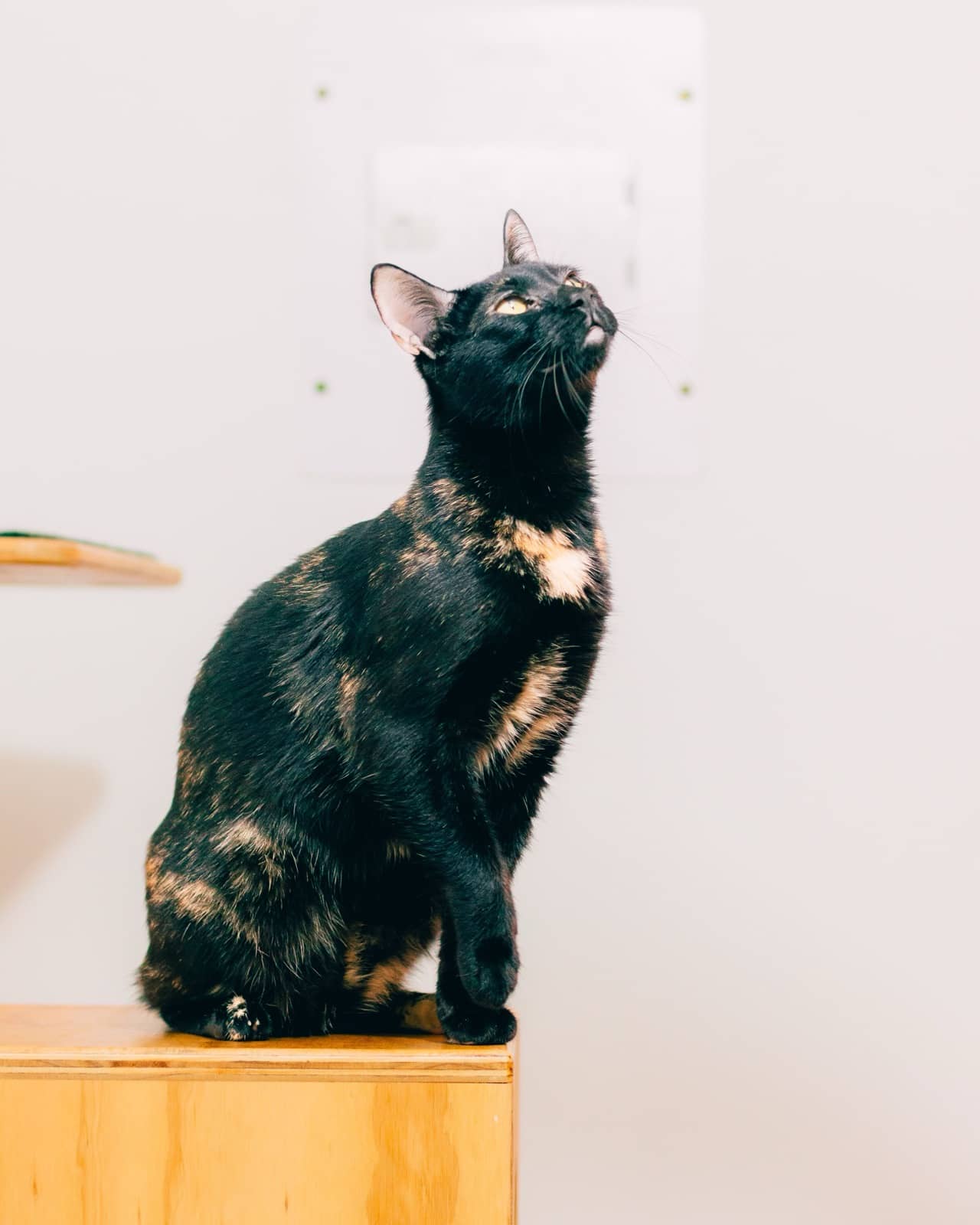
A canvas works as a memorial because it lives where the pet lived. Unlike an urn on a high shelf or a photo book in a drawer, a canvas hangs in the hallway they patrolled or above the corner where the bed used to be, and it shows them as they were on a good day, not as a symbol of loss.
There is also something quietly helpful in the making of one. Choosing the photo means revisiting the whole camera roll, the ridiculous sleeping positions, the muddy walks, the gray-muzzled last years, and most people find that the search itself is the first time grief shares space with gratitude.
A memorial does not need to announce itself as one. To anyone else it is simply a beautiful pet portrait; only the household knows the weight it carries. That double life is exactly what makes it easier to live with than more formal remembrances.
Which Photo Makes the Right Memorial?
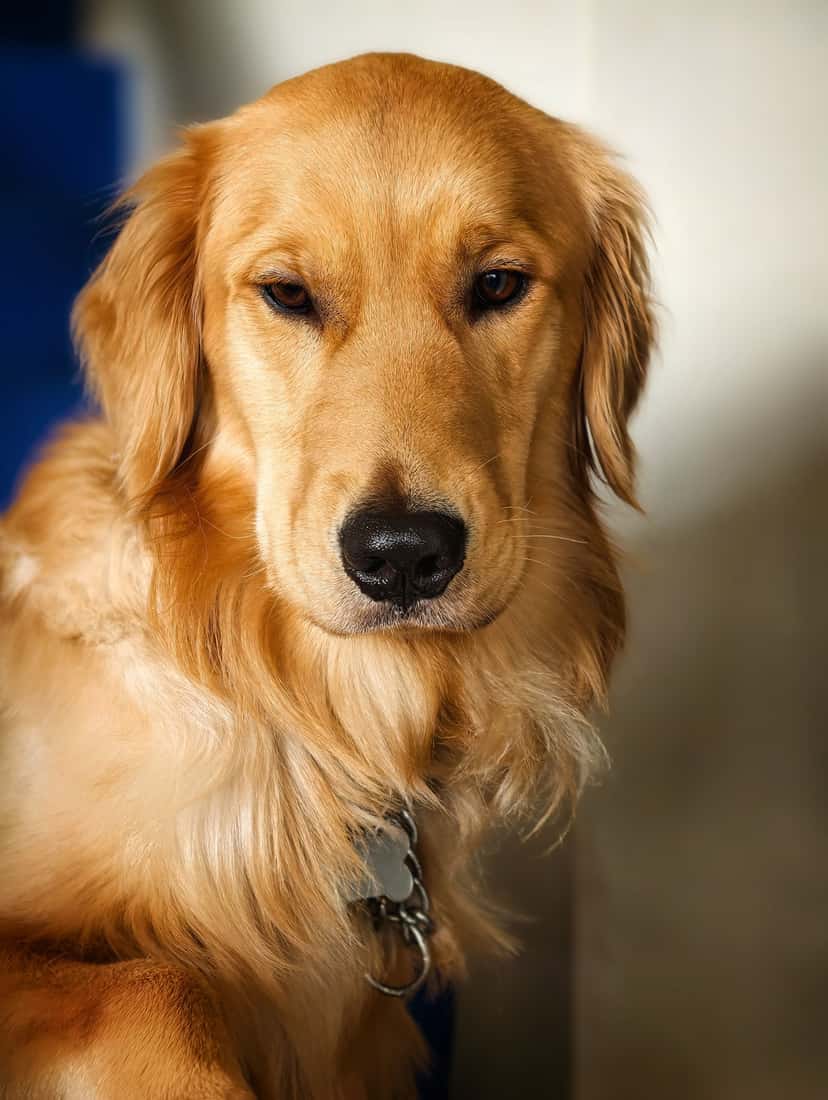
The right memorial photo is the one that shows your pet at their most themselves: mid-play, mid-nap, ears up at the word walk. Choose joy over solemnity, and choose the photo you already return to, not the most technically perfect one.
Skip photos from the final weeks, especially anything from a clinic or showing visible illness. They are part of the story, but a wall is not where they belong; the canvas should show the years, not the ending. If the favorite photo is older or slightly soft, print it smaller rather than abandoning it, since a modest size hides the flaws a large canvas would reveal. Our guide to preparing photos for canvas printing shows how to check whether a photo will hold up before ordering.
How Can You Personalize a Memorial Canvas?
Personalization ranges from nothing at all, just the photo, to a name and dates added in small type, to a multi-panel piece that tells a whole life story. All three are made the same way, in the online design tool, where text and layout can be previewed on the photo before anything is printed.
| Memorial Format | What It Shows | Suggested Size | Placement |
|---|---|---|---|
| Single joyful portrait | One favorite photo, nothing added | 11x14 to 16x20 | Living room or hallway |
| Portrait with name and dates | Photo plus a short line of text | 12x16 to 16x20 | Reading corner or shelf wall |
| Three-panel life story | Puppy or kitten years, prime, favorite place | Three 12x16 panels | Hallway or stairway |
| Small keepsake canvas | A quiet everyday moment | 8x10 to 11x14 | Bedside, desk, or shelf |
| Multi-pet remembrance | Pets who shared a home | 20x30 or a 3-panel split | Family room |
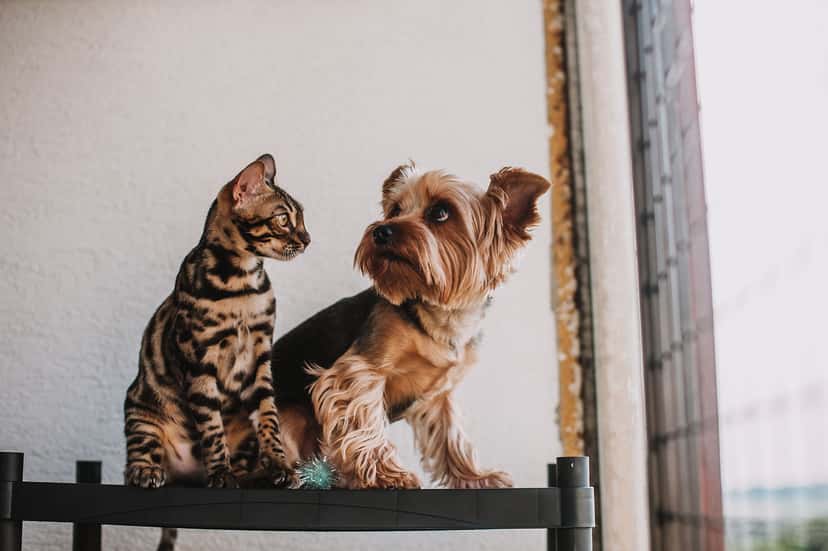
If text is added, less is more: a name, the years, at most a single short phrase. The photo is the memorial; the words are a caption. A three panel canvas print suits the life-story approach especially well, giving early years, prime, and a favorite place each their own panel while hanging as one piece.
Where Does a Memorial Canvas Belong at Home?
Put it where it will be seen in passing, not enshrined. The hallway, the landing, above the reading chair, all let remembering stay woven into ordinary days. Some households hang it prominently at first and move it somewhere quieter after a year or two, and both placements are right in their season.
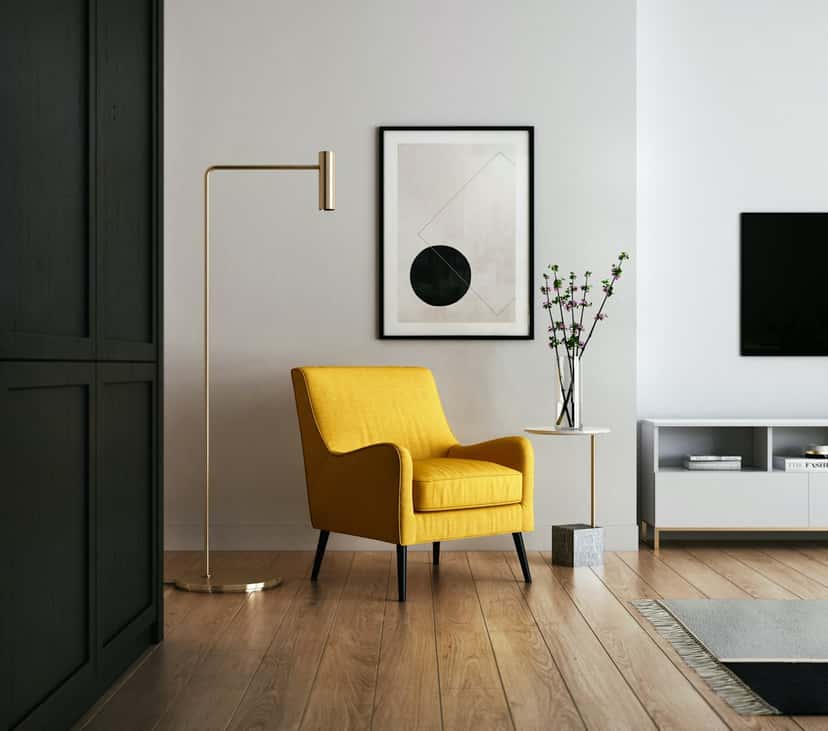
The one placement worth avoiding is straight opposite the main seating, at least early on, where the eye cannot help returning to it. Beside rather than facing tends to be kinder. A standard canvas print arrives stretched and ready to hang, so the piece can move rooms as easily as feelings do.
Households with children often find the canvas becomes a conversation piece in the best way: a fixed place where stories about the pet get told and retold, which is exactly the role a memorial is meant to play. Renters and frequent movers may prefer a smaller size for the same reason, since a keepsake canvas travels from home to home without ever needing a dedicated wall.
Is a Memorial Canvas a Good Sympathy Gift?
A memorial canvas is one of the most appreciated sympathy gifts a pet loss can receive, with two conditions: get the photo right and get the timing right. Choose a joyful photo, ideally sourced quietly from a family member, and wait a few weeks rather than arriving with it in the first raw days.
If timing or photo choice feels uncertain, a gentler route is offering to make one together when they are ready, which turns the gift into permission rather than pressure. For pets still happily underfoot, our guides to pet canvas prints and dog portrait canvas ideas cover the celebratory side of the same idea. Orders over $99 ship free across the US and Canada.
FAQ
When is the right time to make a pet memorial canvas?
Whenever looking at the photos brings more comfort than pain, which for many people is a few weeks to a few months after the loss. There is no deadline. Some order one within days because it helps; others wait a year. The photos will be just as ready whenever you are.
What photo should I avoid using for a memorial?
Avoid photos from the final days, anything taken at a veterinary clinic, and images showing visible illness or frailty. The canvas will be looked at daily for years, so it should show the life, a favorite place, a happy expression, the pose everyone remembers, rather than the goodbye.
Can I add my pet's name and dates to the canvas?
Yes. The online design tool lets you place text directly on the photo and preview it before ordering. Keep it short, a name and the years is usually enough, positioned in a corner or along the bottom where it reads as a quiet caption rather than a headline.
Is it appropriate to give a memorial canvas to someone who just lost their pet?
Yes, if the photo is joyful and the timing is gentle. Most people treasure it, but the first days are often too raw. Waiting a few weeks, or asking a family member to help pick the photo, turns a risky surprise into a gift that lands exactly as intended.